✦
Positive Parenting — Raising a Child with Wisdom & Love
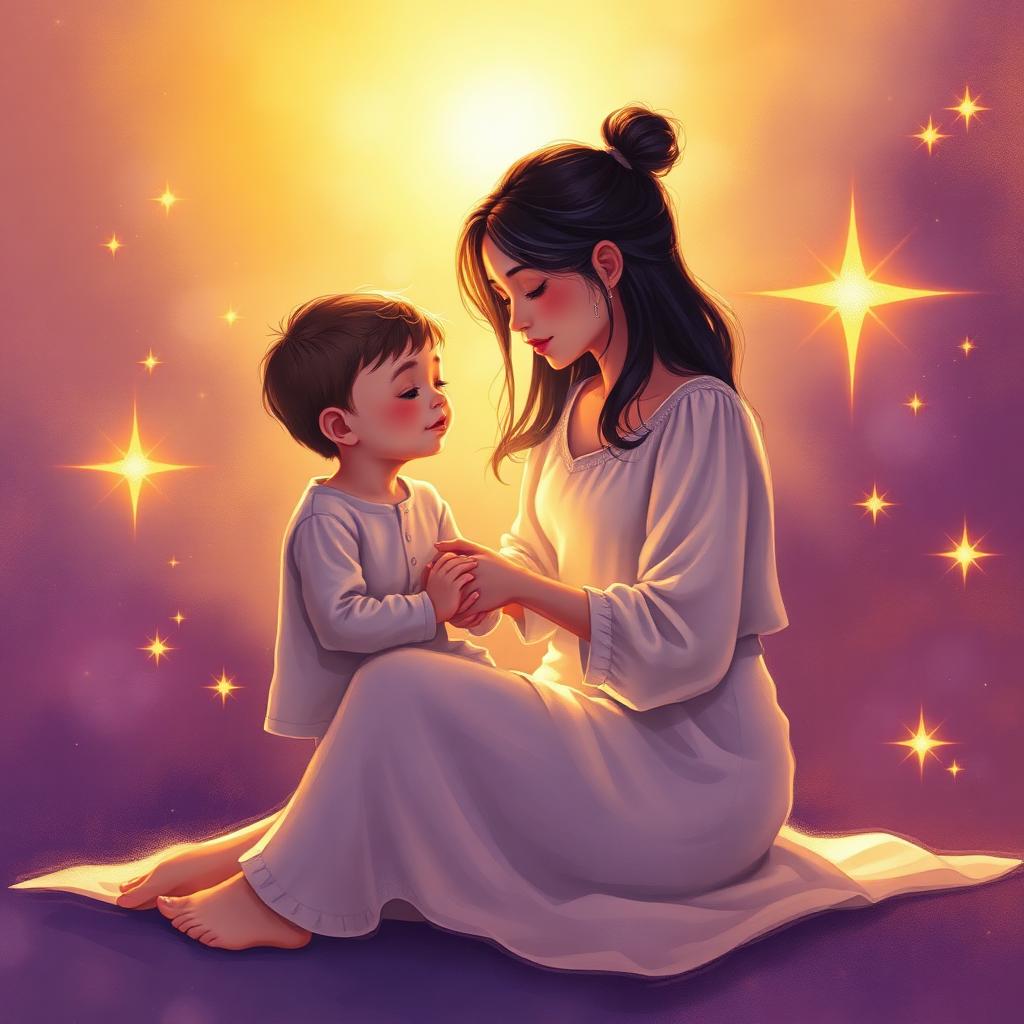
A warm, evidence-based guide grounded in child psychology: every child is born with a light that blooms in the presence of conscious kindness. A child's behaviour is always a message — of a need, a feeling, or a developmental stage. When we walk beside them instead of against them, we shape both the child and ourselves.
🕊️
Principles of Effective Communication
A child understands feelings long before words. Effective communication means calm presence, kind eye contact, and non-judgmental listening.
- ◆Get down to the child's eye level; direct gaze communicates safety and value.
- ◆Practice active listening: hear patiently and reflect the feeling before replying ("I can see you're upset…").
- ◆Use simple, short, age-appropriate language; avoid piling up commands.
- ◆Validate feelings even when you don't approve of the behaviour ("It's okay to feel angry; hitting is not okay").
- ◆Avoid labels and blame ("lazy", "naughty"); describe the behaviour instead.
- ◆Give a few minutes of undistracted, phone-free special attention every day — presence is worth more than gifts.
🌱
Understanding & Guiding Behaviour
A child's behaviour is not defiance — it is a signal of an unmet need, an unspoken feeling, or a stage of development. When we look at the cause, our response becomes far more effective.
- ◆Take a deep breath before reacting; children borrow calm from us.
- ◆Use natural and logical consequences instead of punishment (if a toy is thrown, that toy is put away for a while).
- ◆Set limits with kindness AND firmness at the same time: calm voice, clear message, no shaming.
- ◆Give warm attention to good behaviour; what is noticed grows.
- ◆In an emotional storm, connect before you correct: hug and empathy first, conversation later.
- ◆Avoid threats, comparisons with other children, and physical punishment — they wound trust and safety.
🌸
Healthy Physical & Emotional Development
A child's body and mind thrive on rhythm: enough sleep, healthy food, free play and warm arms — these are the pillars of development.
- ◆Predictable routines (sleep, meals, bath, reading time) give children a deep sense of safety.
- ◆Age-appropriate sleep is essential; sleep loss increases irritability and challenging behaviour.
- ◆Varied, low-sugar nutrition balances energy and focus.
- ◆Provide daily time for free play and physical activity in a safe environment.
- ◆Limit screen time and, when possible, watch with your child to make sense of the content together.
- ◆Create a safe space for every feeling — joy, fear, anger and sadness are all welcome.
- ◆Self-esteem grows through small experiences of success; let the child try, and let them fail safely.
🤝
Parent–Child Relationship Skills
A child's greatest teacher is our own behaviour. Children learn from what they see, more than from what they hear.
- ◆Offer real choices ("blue shirt or green?") — it builds a sense of control and confidence.
- ◆Praise the effort, not only the result ("You worked so hard!"), so intrinsic motivation grows.
- ◆Be the model: show kindness, honesty, and even apologize to your child when needed.
- ◆Solve problems together: think, brainstorm, and pick the best solution as a team.
- ◆After any conflict, reconnect — the child must know that the relationship is safe and repairable.
- ◆Say "I love you" and hug your child many times a day; loving touch literally shapes the child's brain and heart.
A child is the mirror of our soul. Every smile we offer today lives on in their future — and in the world. With awareness, patience and love, we plant a seed that never dies.